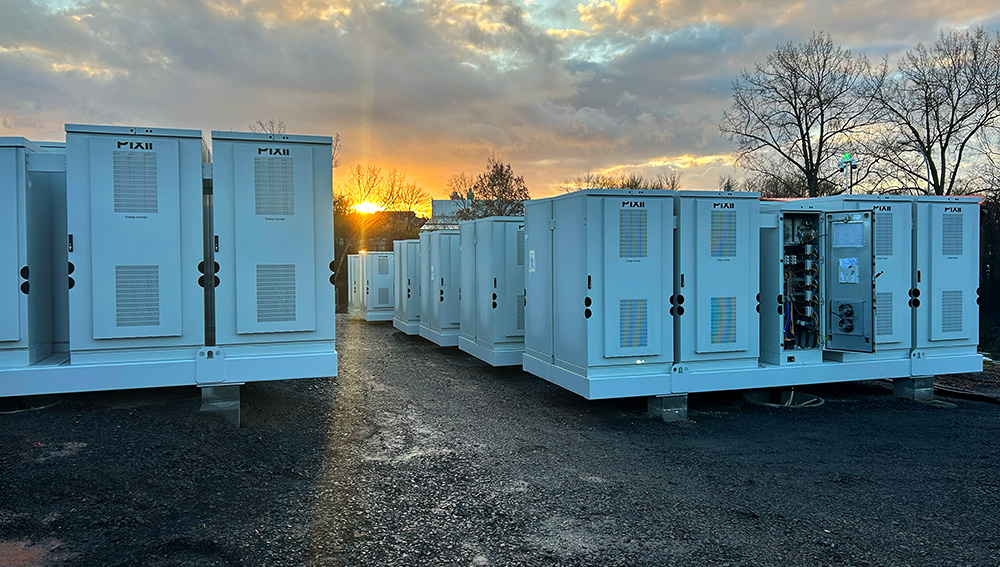
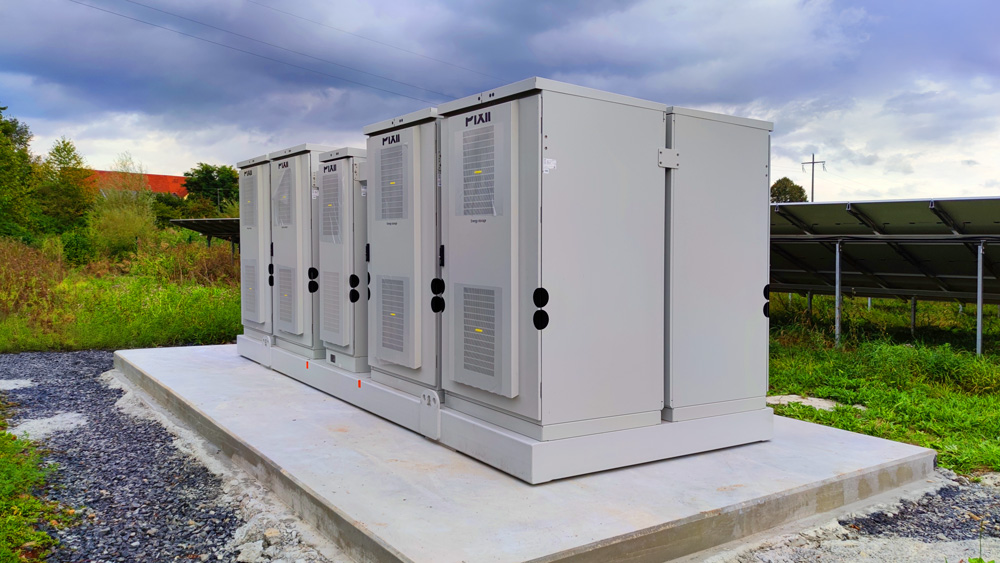
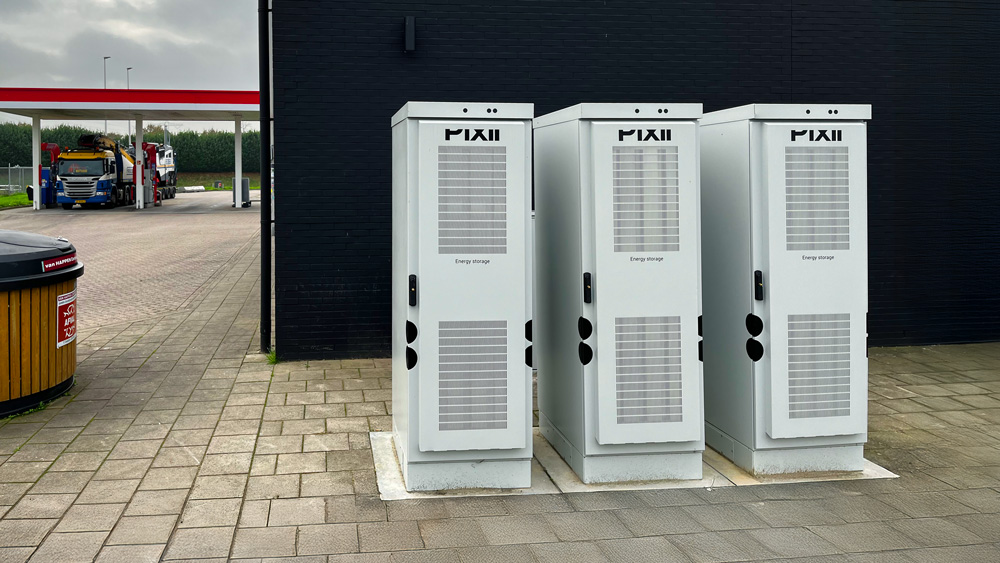
As electrification accelerates, access to power is becoming the real constraint. For PV installers and commercial & industrial (C&I) customers, distributed battery energy storage is turning existing grid capacity into a resource for growth.
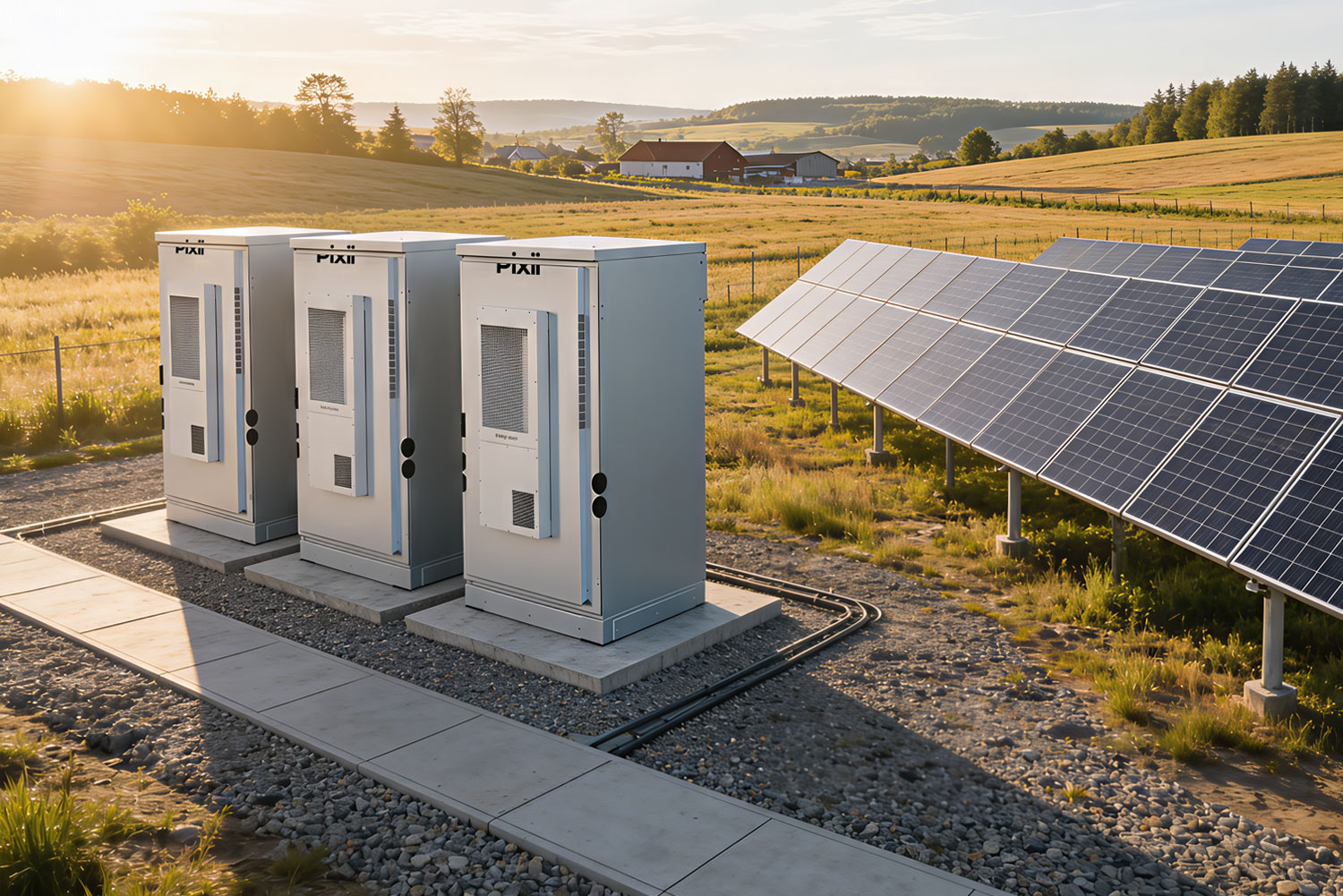
Poland’s power system is changing faster than the infrastructure it depends on.
Solar capacity has scaled rapidly in recent years. At the same time, industrial electrification is increasing and commercial facilities are expanding operations. Yet grid expansion is lagging behind.
In many projects, the business case for additional production, electrification or on-site generation is clear. The grid connection is not.
The constraint is rarely annual energy consumption. It is peak demand and connection availability. Grid connection capacity, distribution fees and expansion possibilities are defined by short periods of high power draw. In many regions, new connection permits are delayed or denied entirely.
At the same time, the rapid growth of solar in Poland’s energy mix is creating increasing price volatility – including periods of very low or negative prices during high PV production hours.
This combination; connection bottlenecks and price volatility, makes flexibility at the point of connection more valuable than additional generation alone.
Storage as electrical infrastructure
For PV installers, this changes the project conversation.
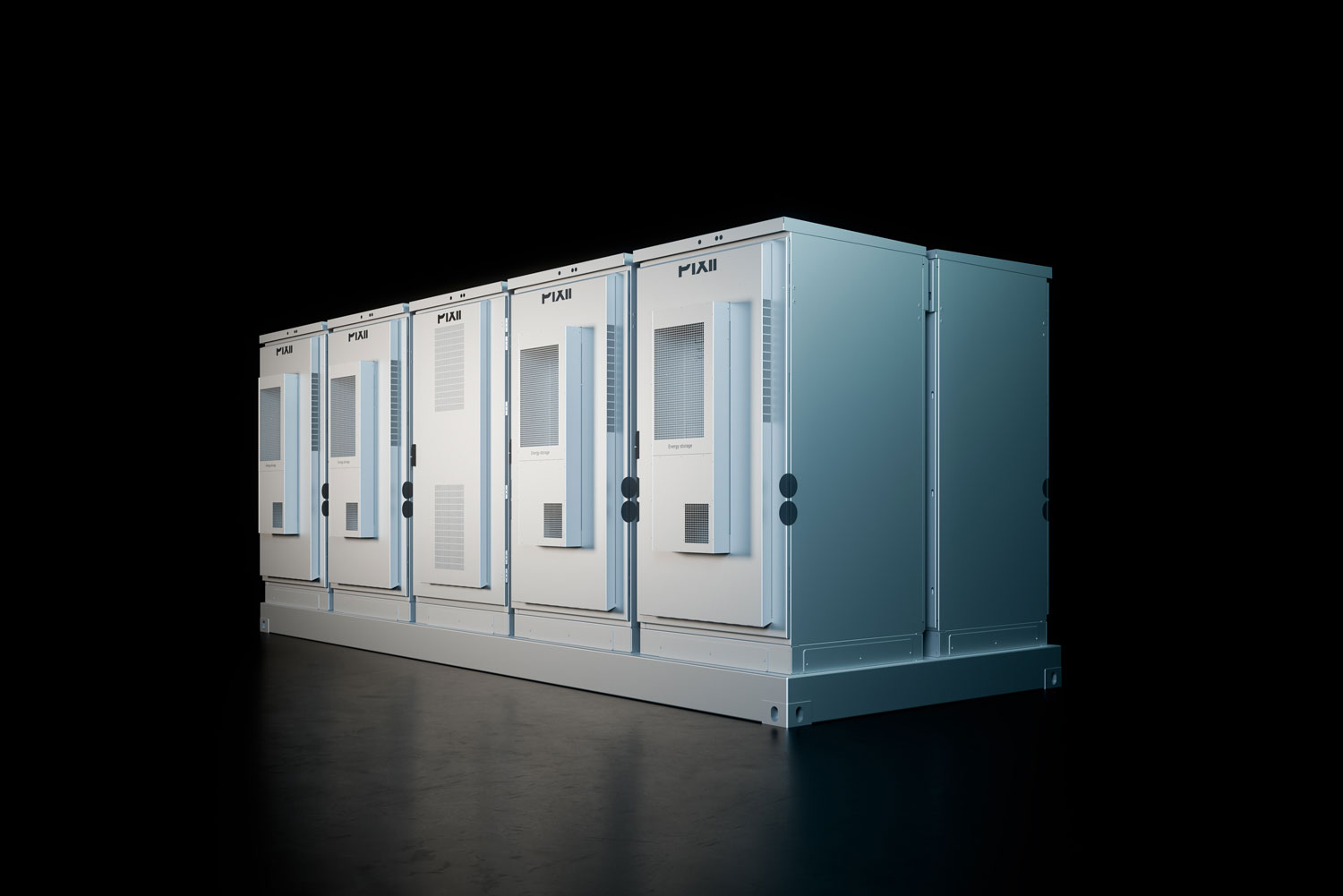
A battery is no longer just an add-on to increase self-consumption. It becomes a tool to unlock projects that would otherwise stall due to grid constraints.
Distributed battery energy storage allows customers to:
- Reduce peak demand
- Increase utilisation of existing grid connections
- Add new electric loads without upgrading the connection
- Absorb excess PV generation during negative price periods
- Phase expansion without waiting for grid reinforcement
In these applications, the battery is not primarily an energy asset. It is part of the site’s electrical infrastructure.
Managing volatility in a solar-driven market
As solar penetration increases, midday prices on the Polish Power Exchange (TGE) are under pressure. Periods of very low or negative pricing are becoming more frequent, particularly during high production and low demand conditions.
For C&I customers with on-site PV, this creates two challenges:
- Reduced value of exported solar energy
- Increased volatility between low midday and high evening prices
A BESS addresses both.
It stores excess PV production instead of exporting at low or negative prices. It shifts energy consumption away from peak-price periods. And it allows customers to actively manage exposure to wholesale price volatility.
In a system with growing renewable penetration, flexibility becomes a hedge against market instability.
From self-consumption to revenue stacking
Poland is no longer an emerging flexibility market. It already has several active and accessible revenue mechanisms for storage systems that meet performance requirements.
For PV installers and C&I customers, this means a BESS can do more than optimise on-site consumption. With the right energy management system and market access, it can generate income across multiple value streams.
A smart battery system in Poland can combine:
- On-site peak shaving and capacity fee reduction
- Increased PV self-consumption
- Participation in the Capacity Market (Rynek Mocy)
- Balancing and frequency services (aFRR / mFRR via PSE)
- Day-ahead and intraday arbitrage on TGE
- Balancing Market (Rynek Bilansujący) participation
This ability to stack services is critical. Revenue does not depend on a single mechanism. The system can dynamically allocate capacity where value is highest – whether on-site or in the market.
Distribution-level optimisation: solving the real bottleneck
For many C&I customers in Poland, the primary economic driver is not wholesale market participation. It is avoided grid reinforcement and secured access to power.
Connection upgrades can take years. In some regions, they are not available at all.
In that context, a battery becomes a strategic enabler:
- It allows expansion within existing connection limits.
- It stabilises operations in a volatile price environment.
- It protects the value of on-site PV investments.
In many projects, the avoided upgrade cost or avoided production limitation alone justifies the system.
Why this matters for PV installers
Instead of selling “more self-consumption,” a smart BESS is offering:
- Grid connection optimisation
- Peak demand control
- Protection against negative price exposure
- Revenue-generating flexibility
- Improved project IRR
- Faster project approval under grid constraints
This significantly strengthens the installer’s position in a market where grid availability is becoming the limiting factor.
Intelligent energy management is essential. Without smart control and aggregation, the full value of volatility management and revenue stacking cannot be realised.
An investment in access to power – and resilience in a volatile market
In a transitioning system, access to electricity becomes a strategic asset.
For commercial and industrial users, battery energy storage secures the ability to operate, expand and stabilise costs in a solar-driven and increasingly volatile market.
When peak shaving, self-consumption, volatility management, capacity payments, balancing services and arbitrage are combined, the business case changes fundamentally.
Instead of relying on a single revenue stream, the asset becomes a flexible revenue engine, anchored in physical grid optimisation and strengthened by market participation.
In Poland, this is no longer a forward-looking scenario. Grid bottlenecks are present. Solar penetration is reshaping price dynamics. Flexibility is becoming essential infrastructure.
This is the point where battery systems move from pilot projects to core electrical assets.
Contact our local representative to learn more.