As AI processing moves from large, centralized data centers to smaller sites closer to users, new limitations are becoming visible. For many edge data centers, electricity infrastructure is now the practical constraint – not computing hardware.
These sites often connect to local distribution grids with limited capacity, while running workloads that draw very high power for short periods. This combination creates challenges for grid connection, cost control, and scalability.
The core issue: High peak-to-average power ratios
Most edge data centers have a manageable average power demand but experience short, intense power spikes. The difference between peak demand and average demand – the peak-to-average power ratio – defines the real challenge.
Grid connections and tariffs are sized for peak demand, not average use. As a result, short spikes can determine:
- Grid connection size
- Demand charges
- Whether expansion is possible without upgrades
Why edge AI workloads create power peaks
Unlike traditional IT systems that run continuously at a stable level, AI-driven workloads are triggered by incoming data and events – in real-time. This causes compute activity to ramp up quickly when data arrives and drop again once processing is complete.
Examples include video streams being analysed, sensor data being processed, or network traffic being handled locally. Each individual event may be short, but the power required during that moment is high. When several systems respond at the same time, these short bursts define the peak demand seen by the grid.
Why edge data centers are more exposed
Large hyperscale data centers are connected directly to strong transmission networks and can justify significant grid investments. Edge data centers typically operate under very different conditions.
“One of the most significant shifts we see in the energy landscape is the rapid growth in data center demand driven by AI.“
Kenneth Bodahl, Chief Business Development Officer, Pixii

They rely on local distribution grids with limited capacity and are often expected to scale faster than the surrounding infrastructure can support. In these environments, peak demand becomes the limiting factor long before total energy consumption does, making power management a practical necessity rather than a theoretical concern.
Why grid upgrades are not enough
Strengthening the grid is complex, expensive, or simply not feasible within the timelines required for edge deployments. Even where upgrades are planned, short power peaks can still exceed what local infrastructure was designed to deliver.
„What matters now is not just capacity,
Kenneth Bodahl, Chief Business Development Officer, Pixii
but the ability to handle short, high-power peaks.“
This creates a structural mismatch. Average demand may be acceptable, but peak demand defines whether a site can connect, expand, or operate within its contractual limits.
The role of energy storage
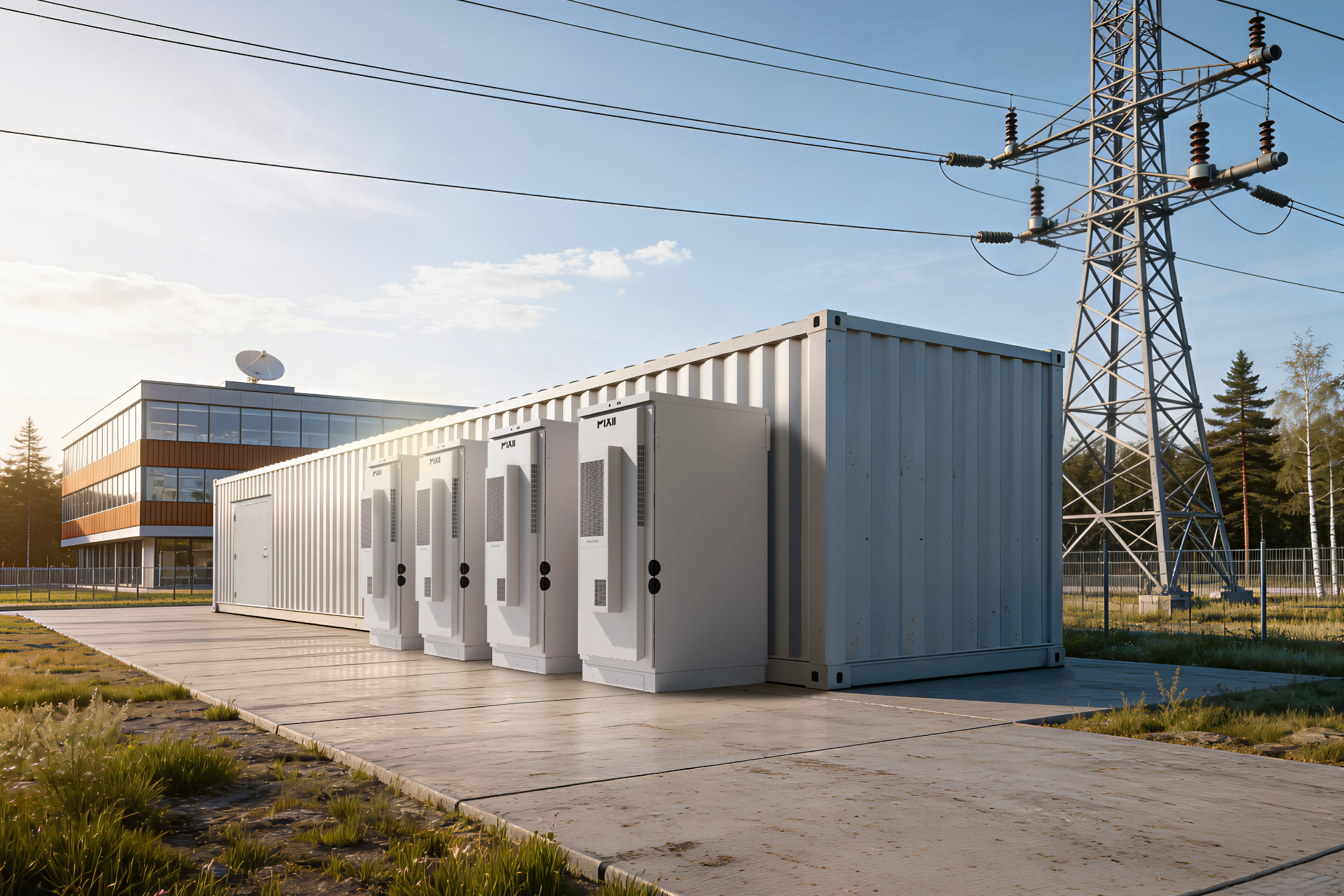
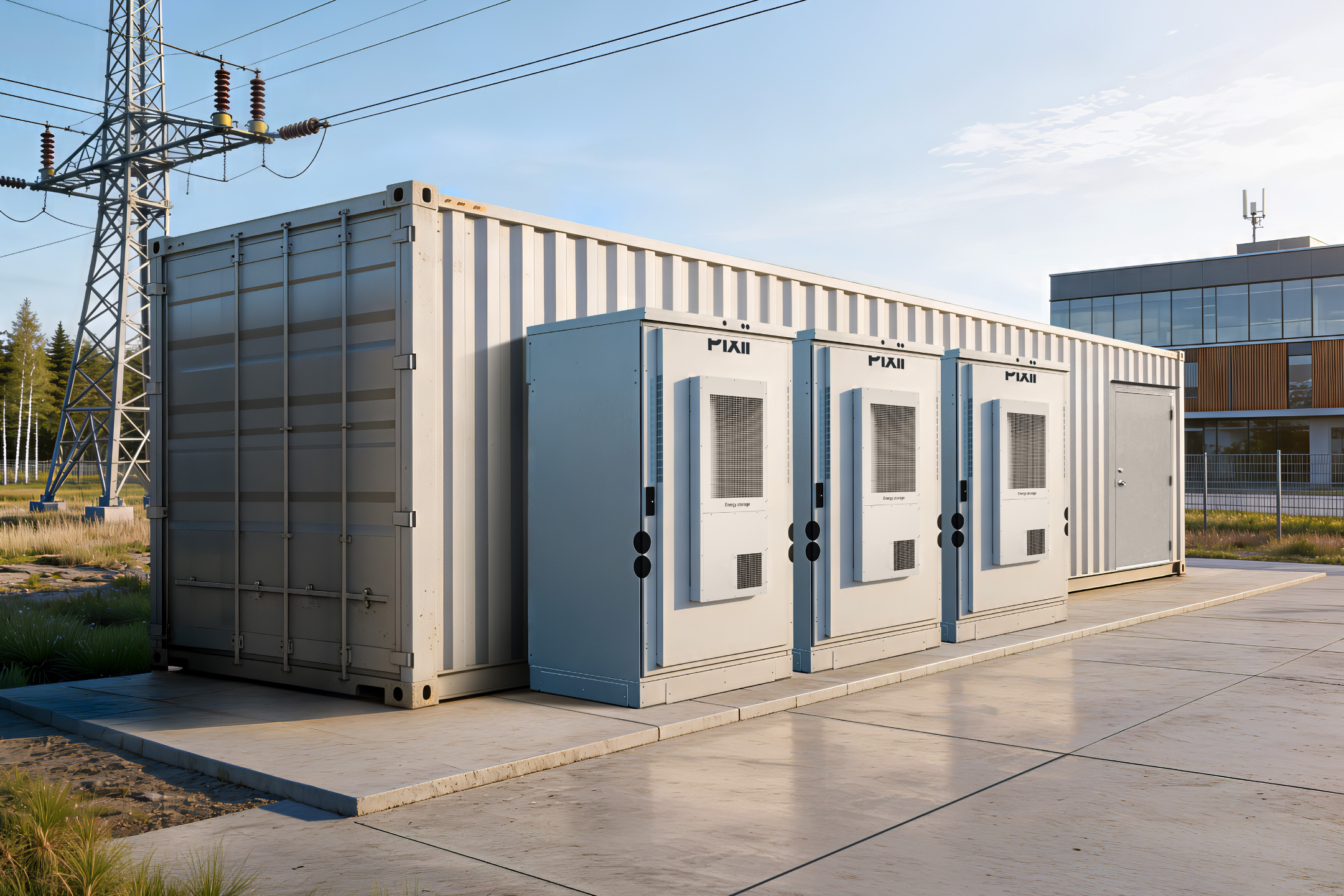
Energy storage provides a practical way to manage high peak-to-average power ratios. By supplying power during short spikes, the battery energy storage system (BESS) reduces the maximum power drawn from the grid.
This approach is commonly referred to as peak shaving: using local energy storage to limit the highest power demand seen by the grid. From the grid’s perspective, demand becomes lower and more stable, while the data center continues to operate normally.
Behind-the-meter storage will:
- Smoothen short-term power fluctuations
- Keep demand within contracted limits
- Reduce demand charges
- Delay or avoid grid upgrades
Turning grid limits into a load management task
Pixii designs modular battery energy storage systems that can be deployed close to the load and scaled in line with actual demand. This makes it possible to manage short power peaks without oversizing grid connections or infrastructure.
By buffering short, high-power events locally, Pixii systems help edge data centers operate within existing grid constraints while supporting higher compute capacity as workloads grow.
Conclusion
Edge data centers face a growing gap between average power use and short-term peak demand. Managing this peak-to-average power ratio is essential for scaling within constrained grids.
Managing peak demand is only one part of the power challenge for edge data centers. Power continuity, quality, and fault scenarios introduce additional requirements. How energy storage increase resilience will be explored in a separate article.
Modular energy storage offers a practical solution, allowing edge data centers to grow and operate within existing grid limits – without waiting for infrastructure to catch up.