As data centers move closer to users and critical operations, expectations around uptime increase. Edge data centers are often deployed in locations where grid reliability varies, yet they are expected to deliver continuous, real-time services. In this context, power continuity is not a secondary consideration. It is a core operational requirement.
One of the main reasons computing is moving to the edge is latency. Latency is the delay between when data is generated and when a response is delivered. For many AI-driven applications, even small delays are unacceptable. Decisions must be made in real time, based on what is happening locally.
Edge computing removes network latency, but exposes a new constraint: distribution grids that struggle with rapid load changes and short power spikes from AI workloads.
When workloads are this time-sensitive, interruptions in power delivery have immediate consequences. Even short disturbances can disrupt processing, delay responses, or force systems to reset.
“Latency forces AI workloads to the edge, while power continuity determines whether they can run at all.”
Kenneth Bodahl, Chief Business Development Officer, Pixii
Unlike large, centrally connected facilities, edge data centers rely on local distribution grids. These grids are more exposed to voltage fluctuations, local faults, and longer restoration times after outages. Such conditions are common outside major urban centers, but they also occur at the edges of urban grids where redundancy and capacity are limited.
Why power continuity matters at the edge
For many edge workloads, stable power delivery is essential. Even short disturbances can lead to:
- Interrupted processing tasks
- Dropped real-time connections
- System resets or equipment stress
Unlike batch workloads, these systems often operate continuously and cannot easily recover from interruptions.
The limits of traditional backup approaches
Conventional backup architectures rely on uninterruptible power supplies (UPS) and generators. While both remain essential parts of data center design, they are not optimised for handling frequent, short-duration disturbances. UPS systems are designed to provide limited backup time, while generators require time to start and stabilise.
In environments where disturbances are brief but recurring, this can lead to unnecessary generator starts, increased wear, noise, cost, and operational complexity – ultimately reducing overall resilience and reliability.
As compute density increases, energy storage is no longer a supporting add-on. It becomes a core part of how edge data centers connect, scale, and operate within grid constraints.
The role of energy storage in power continuity
Energy storage adds a fast-acting layer between the grid and the load. Because energy storage responds instantly, it can bridge short outages, stabilise power during voltage dips, and smooth transitions when grid conditions fluctuate. This helps maintain continuous operation while reducing the need to rely on generators for minor events. It improves power quality while protecting sensitive equipment from interruptions.

Working alongside existing power systems
Energy storage does not replace UPS systems or generators. It complements them by covering gaps that traditional solutions are not designed to handle efficiently:
- Extending backup capability delivered by the UPS
- Smoothing transitions between power sources
- Reducing reliance on generators for minor events
The result is a more balanced and resilient power architecture.
How Pixii supports continuity at the edge
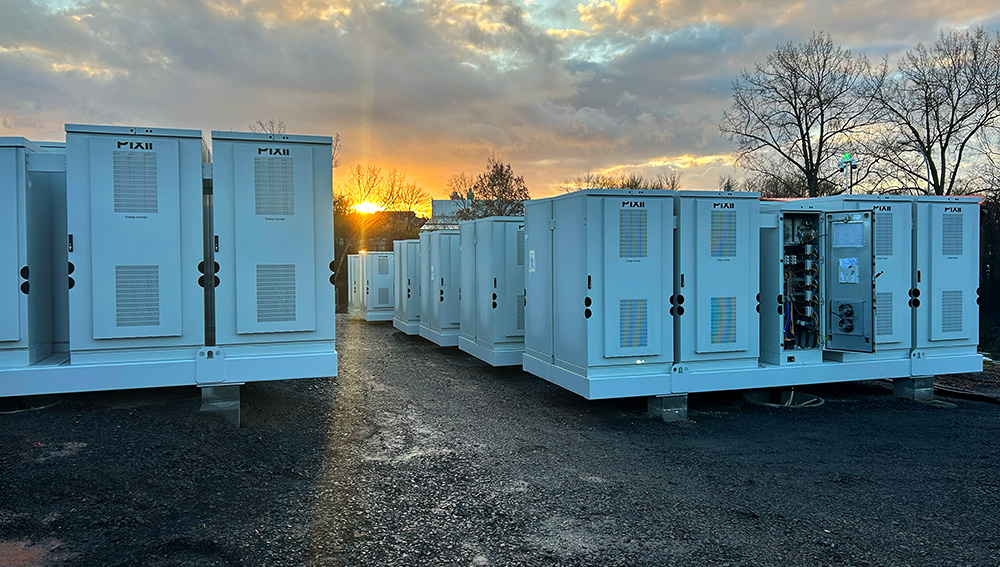
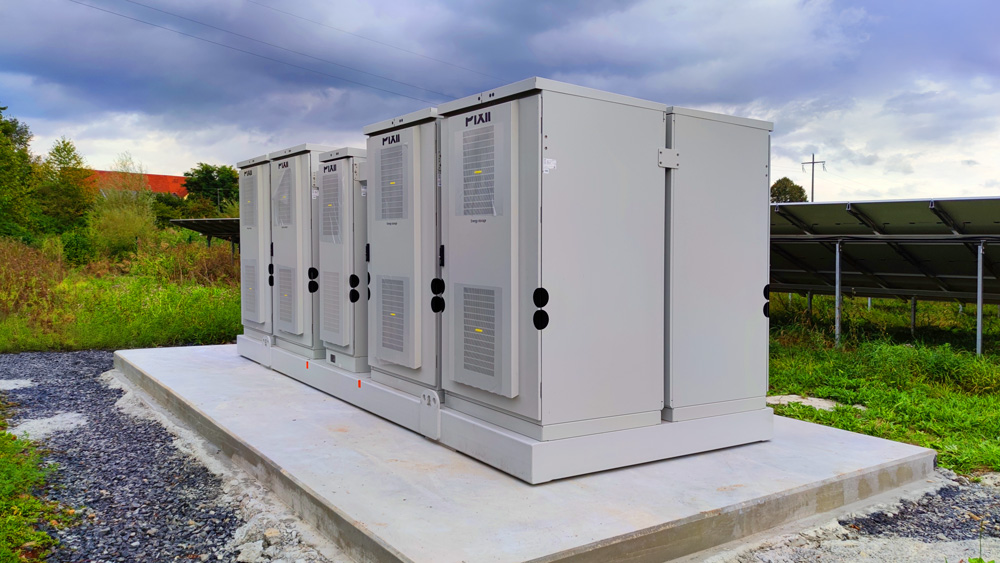
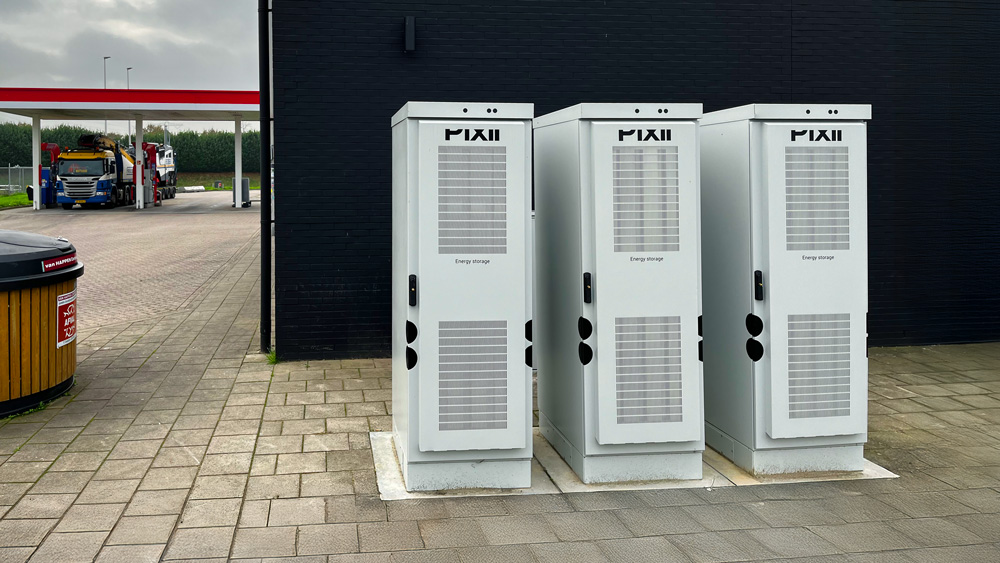
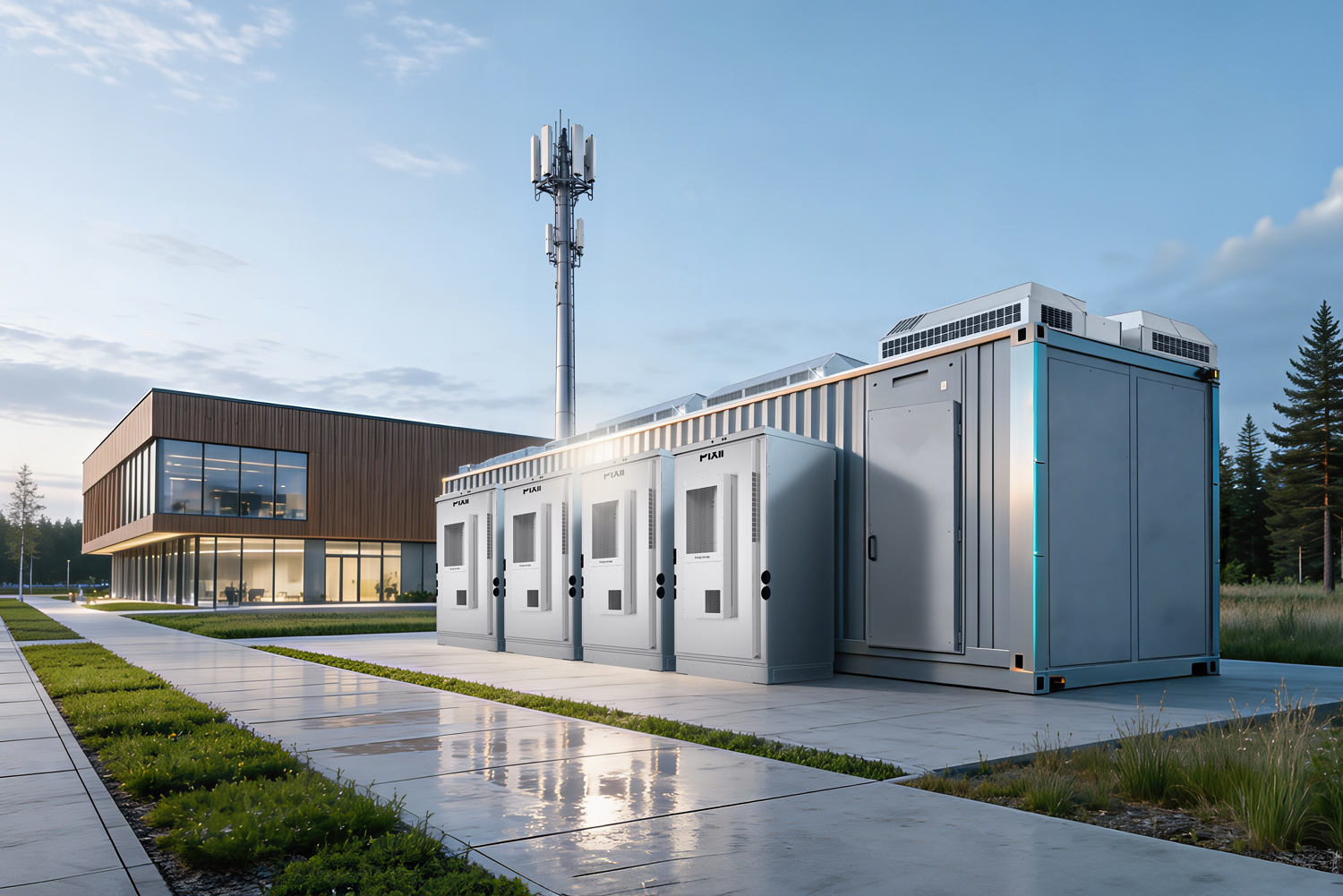
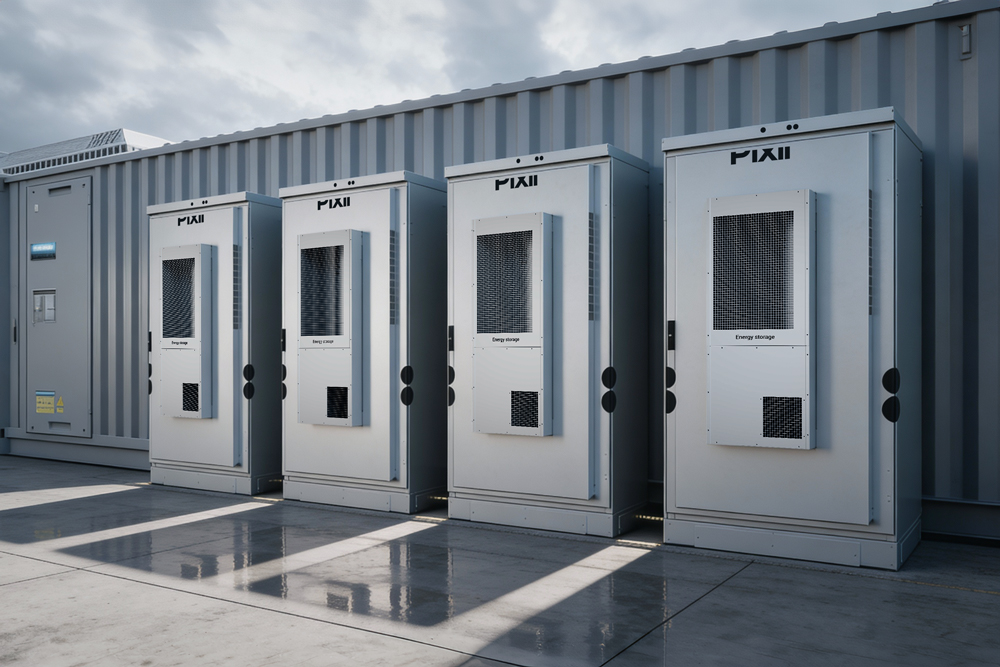
Pixii designs modular battery energy storage that are well suited to distributed, always-on environments. Deployed close to the load, Pixii systems respond immediately to grid disturbances and support stable power delivery without overengineering backup infrastructure.
The modular architecture allows capacity and redundancy to be scaled in line with site requirements, supporting reliable operation as edge deployments grow.
Conclusion
For edge data centers, grid disturbances and outages are part of the operating environment, not rare exceptions. Maintaining power continuity is essential for predictable operation and service quality.
Energy storage provides a practical and fast-acting solution, supporting stable operation in locations where grid reliability cannot be assumed.
Power continuity is one part of a broader power challenge at the edge. In a separate article, we look at how short, high-power peaks and peak-to-average power ratios affect grid connections and deployment at edge data centers.