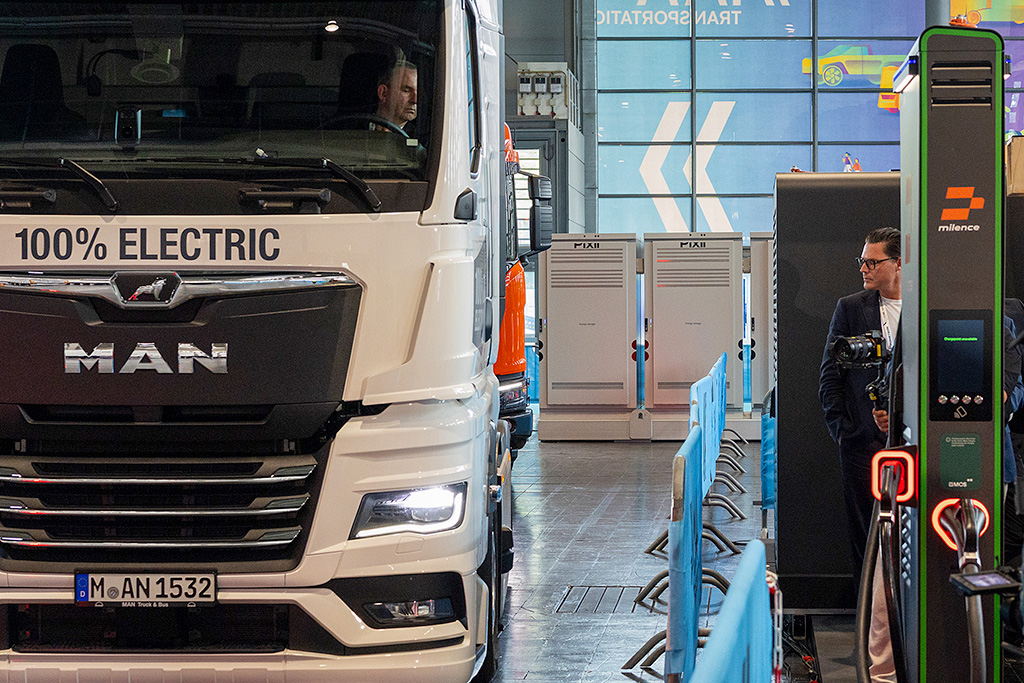
IAA Transportation is a major international event for logistics, commercial vehicles and the transport sector. At the 2026 event in Hanover, Milence demonstrated how battery energy storage can enable megawatt-level electric truck charging where grid capacity is limited.
The solution combined a Pixii PowerBase XLP battery energy storage system and Pixii Energy Architect energy management system (EMS), integrated with an Alpitronic HYC1000 charger. During testing, the solution delivered more than 1 MW of charging power while connected to a grid supply rated at only 260 kW.
The system demonstrated at IAA was not built as a temporary showcase. Following the event, the PowerBase XLP will become part of Milence’s charging hub in Osnabrück, Germany, supporting the rollout of high-power charging infrastructure for electric trucks.
| Customer | Milence |
| Locations | Arnhem, Netherlands; Hanover and Osnabrück, Germany |
| Industry | Electric truck charging infrastructure |
| Application | Battery-buffered megawatt charging |
| Pixii products | PowerBase XLP and Pixii Energy Architect (EMS) |
| Charging hardware | Alpitronic HYC1000 |
| Functions in use | Power boost |
| Usage | Enable megawatt charging despite limited grid capacity |
| Value proposition | Deliver high-power electric truck charging without relying on an equally large grid connection |
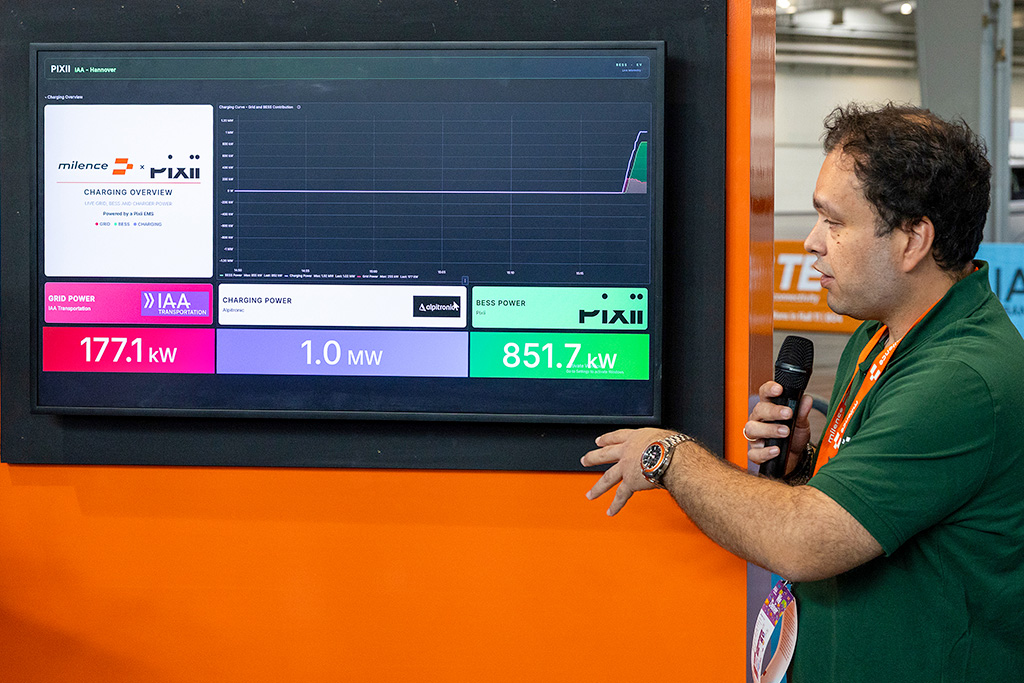
| Available grid connection | 260 kW |
| Recorded grid import | 173.9 kW |
| Recorded battery contribution | 855.8 kW |
| Recorded charger demand | 1,029.7 kW |
| Battery energy storage system | Pixii PowerBase XLP |
| Energy management | Pixii Energy Architect (EMS) |
| Charger | Alpitronic HYC1000 |
Context
The electrification of heavy-duty transport is creating demand for much higher charging power. Electric trucks must take on large amounts of energy during limited charging windows, making megawatt-level charging increasingly important for long-haul transport and commercial fleets.
However, grid connections at charging sites may provide significantly less power than the chargers require. Reinforcing the grid can be costly and time-consuming, and sufficient capacity may not be available where charging infrastructure is needed.
Battery energy storage can bridge this gap by storing energy and releasing it when charging demand exceeds the power available from the grid.
The challenge
For IAA Transportation in Hanover, Milence wanted to demonstrate electric truck charging at up to 1 MW.
The available grid connection was rated at only 260 kW – less than one quarter of the required charging power. The system therefore needed to supply the remaining power from battery energy storage while ensuring that grid import stayed within the available limit.
The solution also needed intelligent controls to coordinate the grid, battery energy storage system and charger in real time. Ramp-down control and no-export functionality were required to ensure controlled operation under the site’s grid constraints.
The solution
Pixii supplied a PowerBase XLP battery energy storage system controlled by Pixii Energy Architect EMS, the company’s energy management system.
The PowerBase XLP acts as a local energy buffer. Energy can be stored within the limits of the grid connection and then discharged when an electric truck requires more charging power than the grid alone can provide.
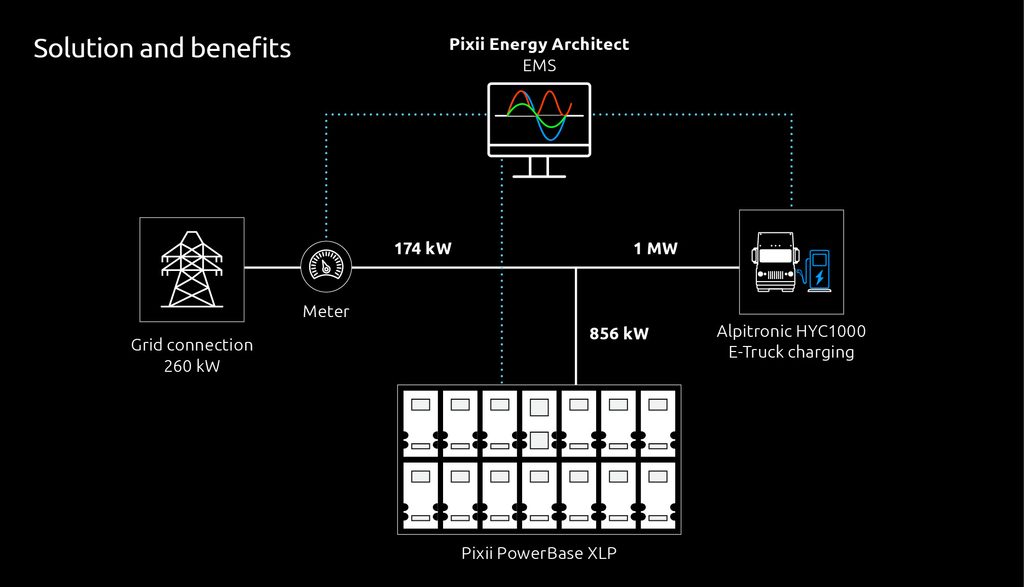
The Pixii Energy Architect continuously coordinates power flows between the grid connection, PowerBase XLP and the Alpitronic HYC1000 charger.
The integration goes beyond basic monitoring: the EMS adjusts charging power and ramp rates while balancing the contribution from the grid and battery in real time. By combining live grid measurements with information about the battery system’s operating limits, it can maximise available charging power while keeping the site within defined grid and battery constraints. It also supports controlled responses to operating limits and system faults, helping ensure that power flow remains under control throughout the charging event.
The complete solution was integrated and tested at Milence’s facilities in Arnhem before being transported to Hanover and demonstrated at IAA Transportation.
About Pixii PowerBase XLP
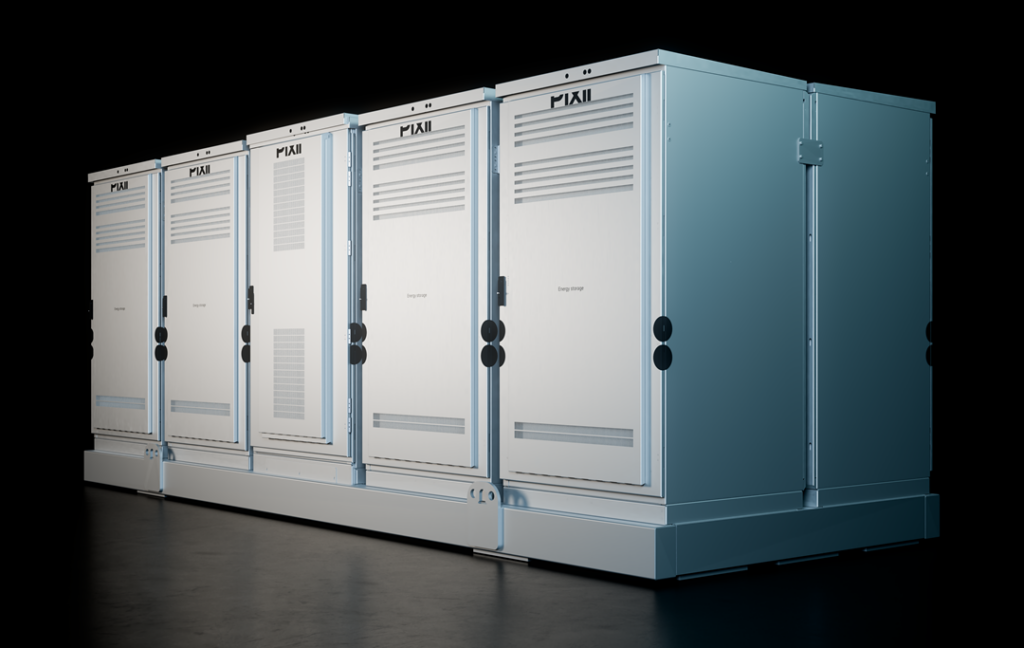
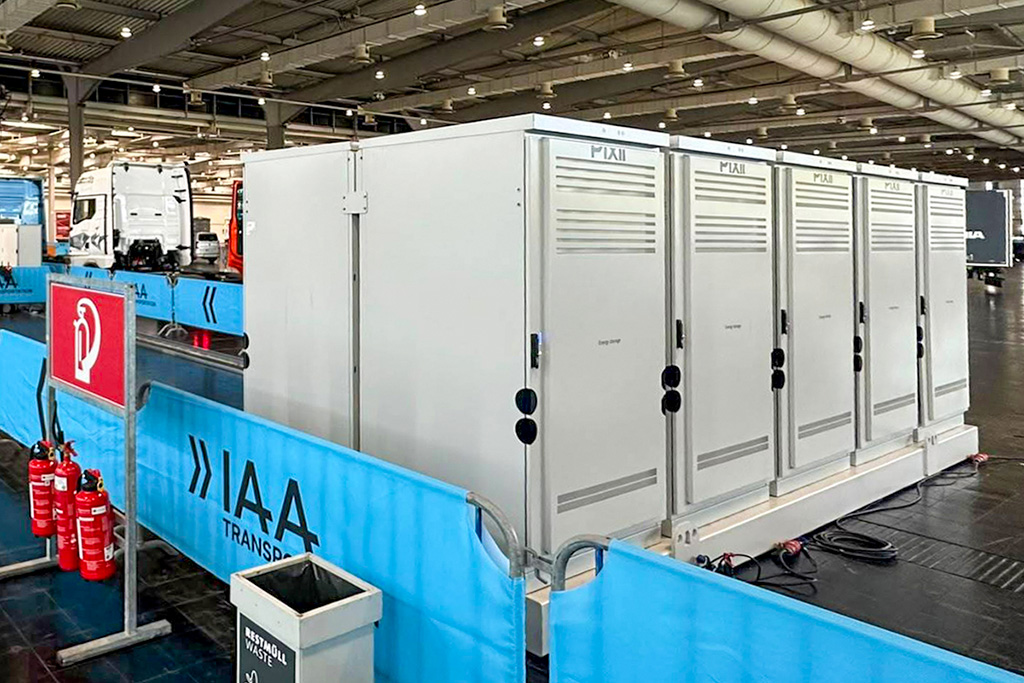
Pixii PowerBase XLP is a large-scale battery energy storage system designed for power- and energy-demanding applications such as electric truck charging.
The system is fully integrated, pre-wired and factory configured on a steel skid with a container-format footprint. Its single-lift design allows it to be transported and deployed as one complete system, reducing installation time and on-site work.
The technology in action
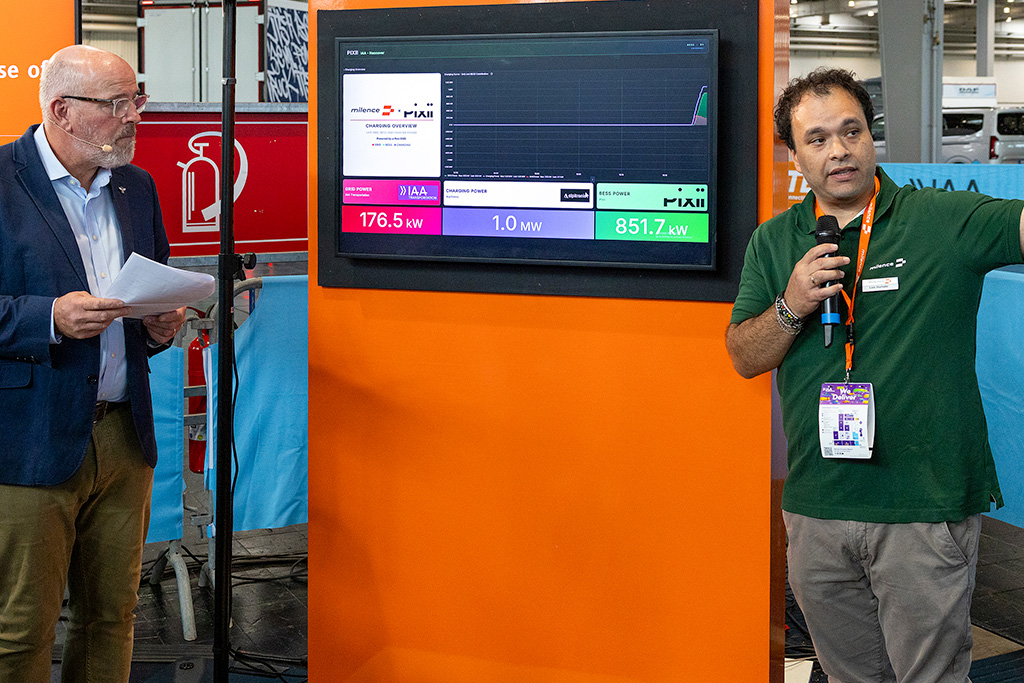
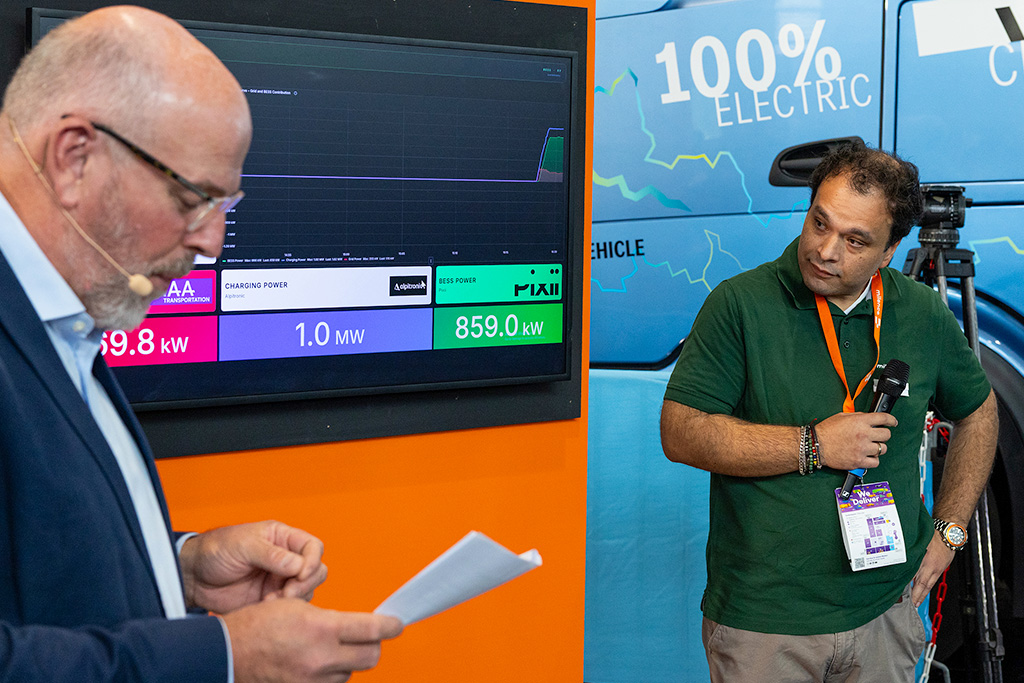
During a recorded charging event, the Alpitronic HYC1000 charger drew 1,029.7 kW. Only 173.9 kW was imported from the grid, while the Pixii PowerBase XLP supplied 855.8 kW from battery storage. Charging power was therefore nearly six times the instantaneous grid import and nearly four times the rated capacity of the 260 kW grid connection.
Pixii Energy Architect dynamically controlled the power flows between the grid, battery system and charger, keeping grid import within the site’s limit while supplying the remaining demand from stored energy. Testing also verified controlled ramp-down and no-export operation. These functions allow charging power to be reduced in a controlled manner when required and prevent energy from being fed back into the grid.
The benefits
Adding a battery energy storage system (BESS) to a charging facility can enable megawatt-scale charging even when the grid connection alone cannot provide the required power. The battery stores energy and supplements power from the grid during periods of high charging demand. This can make better use of existing grid capacity and reduce dependence on immediate grid reinforcement.
The pre-wired, factory-configured, single-lift design simplifies transport and on-site deployment, making PowerBase XLP suitable for projects where rapid deployment or later relocation may be required.
The result
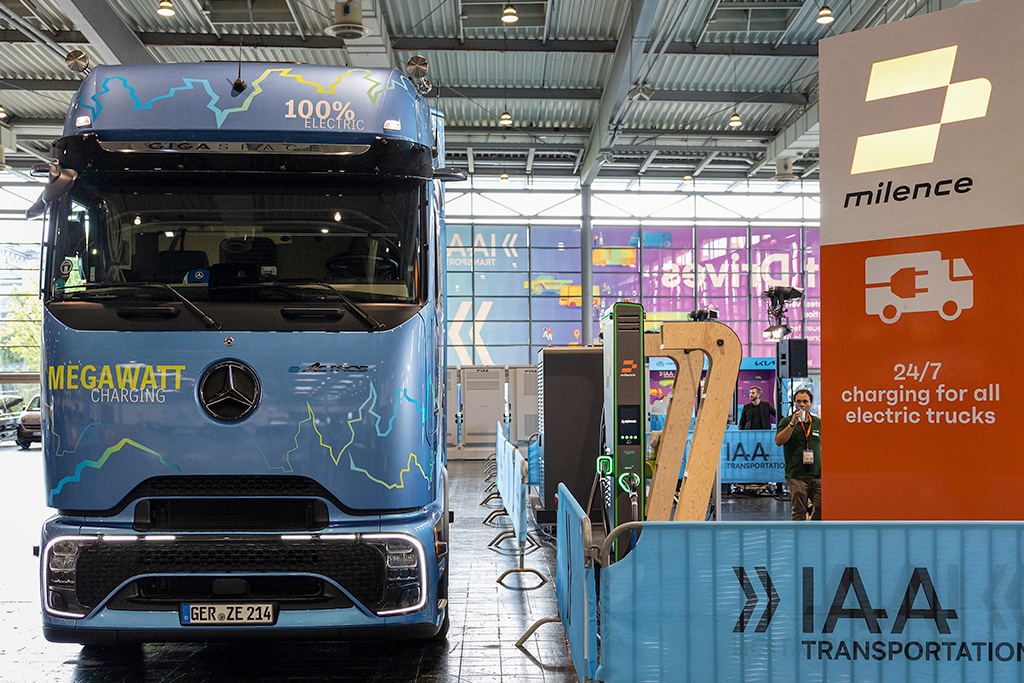
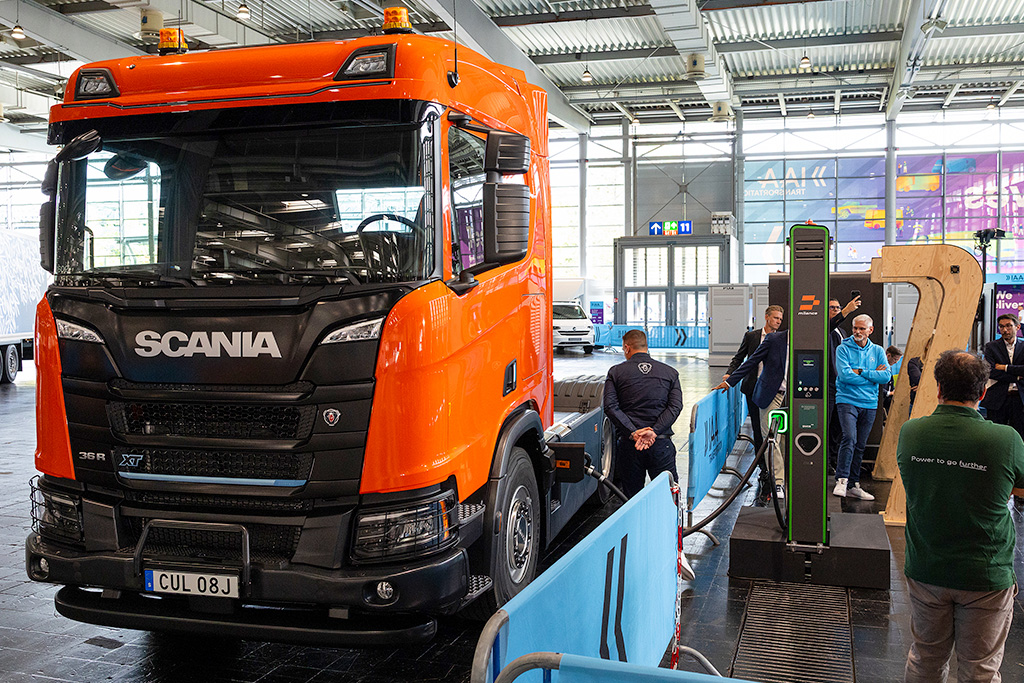
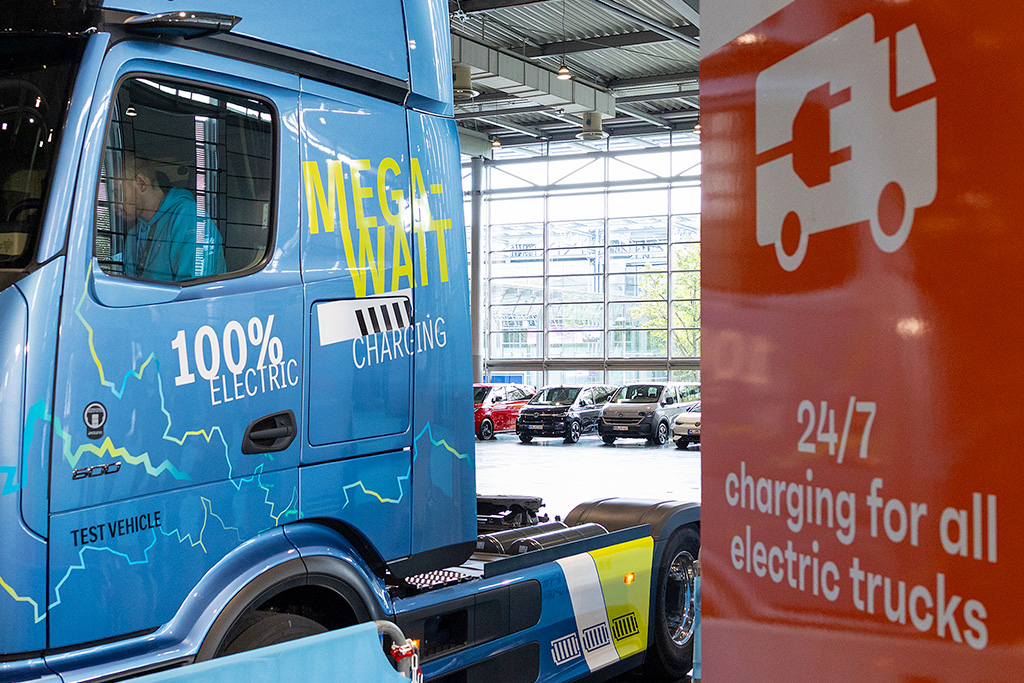
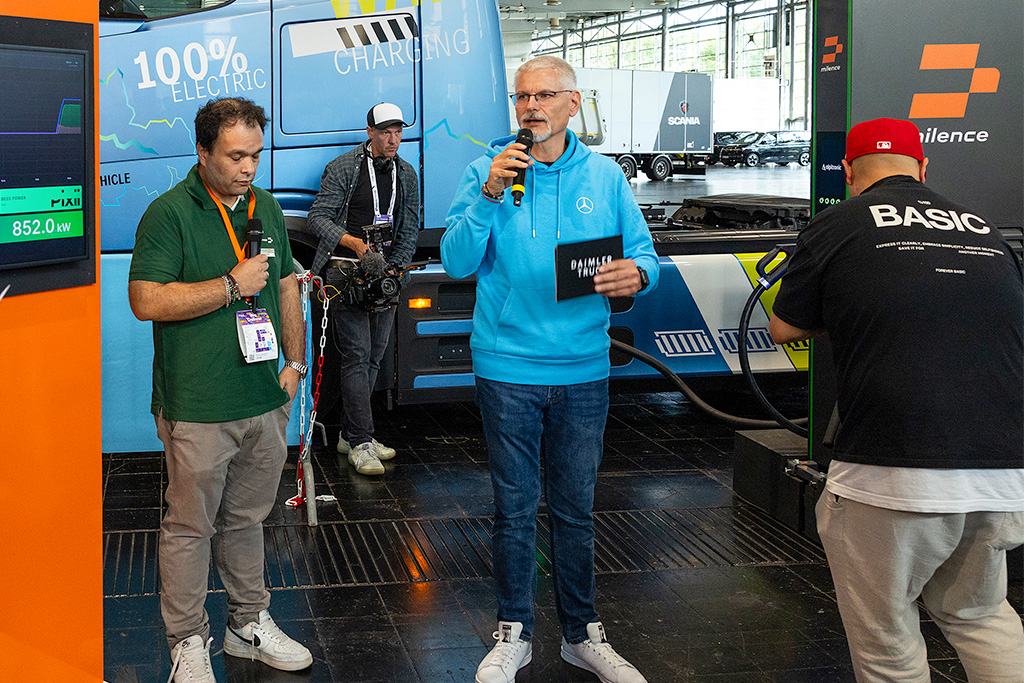
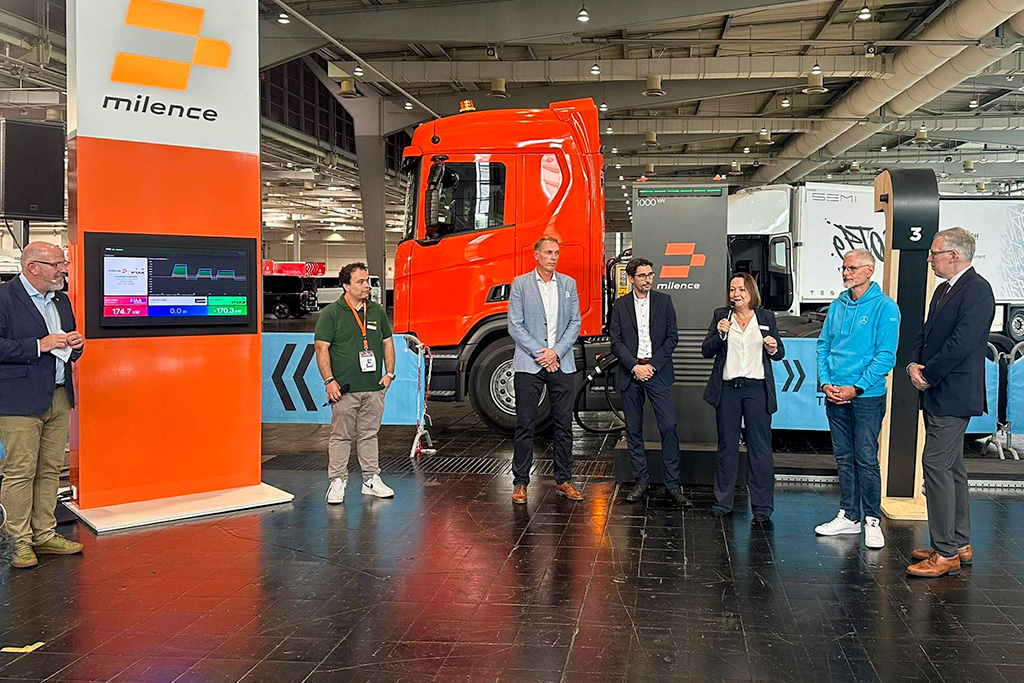
At IAA Transportation in Hanover, Milence demonstrated more than 1 MW of electric truck charging while drawing less than 260 kW from the grid. During the event, the system charged electric trucks from Daimler Truck, MAN, Renault Trucks, Scania and SuperPanther live on the show floor
The demonstration gave fleet operators, charging operators and transport-industry stakeholders a practical example of how battery energy storage can overcome a constrained grid connection.
Following the event, the PowerBase XLP will be relocated to Milence’s charging hub in Osnabrück, Germany, where it will move into continued operational use supporting high-power charging for electric trucks.
Frequently asked questions (FAQ)
How can a 1 MW truck charger operate with a 260 kW grid connection?
A battery energy storage system supplies the additional power that the grid connection cannot provide. The grid and battery operate together, coordinated by an energy management system, to meet the charger’s power demand without exceeding the site’s grid limit.
How much power did the battery provide during testing?
During the recorded charging event, the Pixii PowerBase XLP supplied 855.8 kW. The grid supplied 173.9 kW, allowing the charger to draw a total of 1,029.7 kW.
What equipment was used in the megawatt charging solution?
The solution combined a Pixii PowerBase XLP battery energy storage system, Pixii Energy Architect energy management system and an Alpitronic HYC1000 charger.
What is battery-buffered truck charging?
Battery-buffered charging uses locally stored energy to supplement the electricity grid during high-power charging events. This makes it possible to deliver more charging power than the grid connection alone can support.
Why use battery storage for electric truck charging?
Battery storage can help charging operators deploy high-power infrastructure in grid-constrained locations, reduce peak grid demand and reduce dependence on immediate grid reinforcement.
What will happen to the system after IAA Transportation?
Following the demonstration in Hanover, the PowerBase XLP will become part of Milence’s charging hub in Osnabrück, Germany. There, it will support the deployment of high-power charging infrastructure for electric trucks.
