When energy infrastructure becomes digital, trust becomes a technical requirement.
Grid operators and infrastructure owners must understand how systems are built, how data moves through them, and who has access to them. This applies equally to battery energy storage systems, which increasingly interact with grid control systems, market platforms and local infrastructure.
For this reason, cybersecurity, transparency and traceability must be part of the architecture from the start.
Pixii develops battery energy storage systems and energy management software designed for environments where reliability, operational control and security are essential.
Security by design
Security considerations are integrated into Pixii systems throughout the design and development process.
Pixii is a Norwegian technology company operating under European legal and regulatory frameworks. Hardware and software are developed and governed within the EEA, providing transparency and reducing geopolitical and supply-chain risk.
The architecture of Pixii systems follows secure-by-design principles, including:
- clear control of data flows and integrations
- role-based access management and strong authentication
- encryption of communication and sensitive configuration data
- cryptographically signed firmware and software updates
- structured logging, monitoring and incident response
Pixii also follows a structured secure development lifecycle, including threat modelling, code reviews, vulnerability scanning and security testing integrated into development processes.
Built for regulated and critical environments
Many energy infrastructure operators must comply with strict cybersecurity and governance requirements.
Pixii systems are designed to support such environments by providing clear system architecture, defined interfaces and traceable development processes. Security documentation and supporting information can be provided to customers conducting technical assessments or audits.
The design principles are aligned with recognised cybersecurity frameworks such as IEC 62443 and take into account upcoming EU cybersecurity requirements under the EU Cybersecurity Resilience Act.
Experience from security-sensitive projects
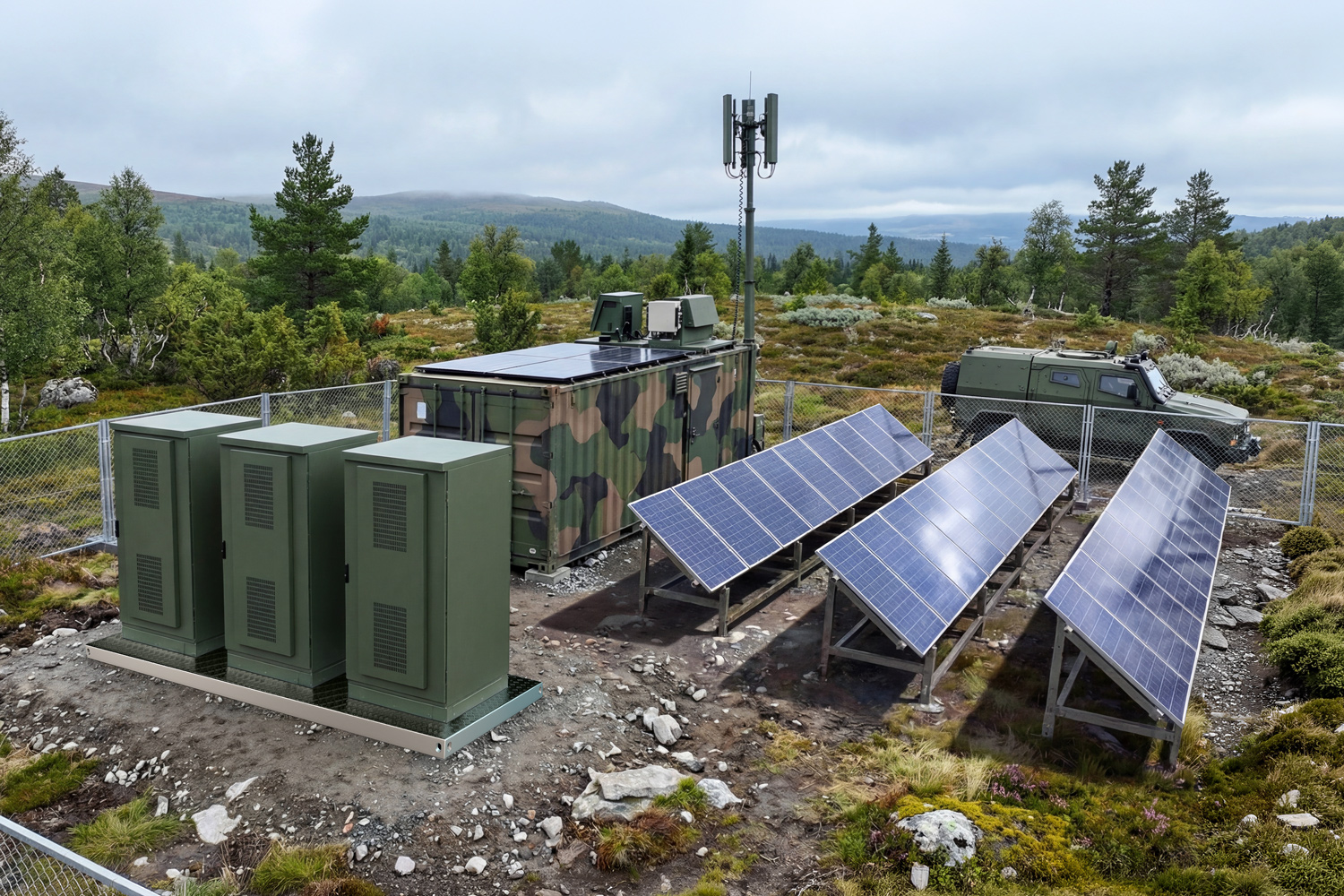
Pixii´s technology has also been selected for projects where energy resilience, system control and operational reliability are critical requirements.
Examples include participation in the SENTINEL project, funded by the European Defence Fund, which explores sustainable energy capabilities for enhanced operations.
Pixii has also been selected for innovation programmes and research collaborations focused on resilient power systems and secure energy supply, including initiatives involving Norwegian authorities.
These projects demonstrate how battery energy storage systems can support reliable and efficient energy infrastructure in demanding environments.
“Securitycritical environments demand predictable behaviour and full system control. That is exactly how we design our energy storage platforms – regardless of where they are deployed.”
Thomas Hermansen, CTO in Pixii
Energy flexibility and energy security
Battery energy storage is often discussed in terms of flexibility and market participation. Increasingly, it is also part of the broader discussion about energy security and system resilience.
Energy storage systems can contribute to more robust infrastructure by enabling:
- stable power supply in constrained or remote grids
- reduced dependency on diesel generation
- improved resilience during grid disturbances
- more efficient use of existing grid capacity
As energy systems continue to evolve, the ability to combine flexibility with secure, well-governed technology will become increasingly important.
Pixii continues to develop solutions designed to support secure, flexible and resilient energy systems for utilities, infrastructure operators and other critical energy users.